|

The 2026 Ultimate Guide for Families with Autism in Walt Disney World

When you love Disney World, it always starts innocently. A coworker asks how to save money on a Disney trip. Your child sees a carousel horse spinning in a snow globe and says, “Can we go to Disney soon, Mommy?” Then, after one scroll through old photos, you’re knee-deep in resort comparisons, DAS tips, and crowd calendars.

Suddenly, the words escape your mouth: “We’re going to Disney!”

The Heart of the Trip (Why We Go)

If this sounds familiar, welcome to the club. For families like ours, we don’t just go to Disney; we plan our Disney experience. It’s a full-time hobby and a family tradition. There’s actual science behind our obsession. Studies show that planning experiences brings longer-lasting happiness than buying stuff. Each phase of dreaming, booking, and counting down keeps your brain’s reward center glowing.

For me, it’s a mix of nostalgia and purpose. My dad took me to Disney when I was eight, and I still have the ticket stubs and maps I used for a school project. Now I’m the mom, reliving that magic through my kids’ eyes and showing other sensory-sensitive families that yes, Disney can work for you too.

But the major reason that we go? Disney is excellent at accommodating our family’s sensory needs and any special dietary requirements.

Why the “Helpers” Make the Difference

We have had the pleasure of meeting many Walt Disney World employees, known as cast members, throughout the years. Disney cast members offer a unique perspective and experience that typical hospitality employees often cannot provide. While most Americans are familiar with the concept of a door greeter, Walt Disney World places a magical significance on this particular role.

I remember the morning of our last day at the Beach Club. We were at the concierge desk printing tickets, and our boys were tussling and being loud. We were flustered as our son began flapping and shouting. A cast member, called The Captain, came over to talk to us. He asked a bit about our son and our family, then asked if he could give our son a gift.

He returned several minutes later, got down on one knee, and quietly spoke to both of our sons. He gave each of them a very special Captain hat. As he made them honorary Captains, my son became overwhelmed. While Autism Spectrum Disorder is a hidden disability, one aspect that is very public is the expression of over-stimulation and frustration.

We called these outbursts ‘meltdowns,’ which was typical lingo I’d heard used by his providers. The Captain reassured us that a meltdown, as the world sees it, is an incorrect label. In that moment, he is not having a meltdown; he is having a crisis. While he gave our sons a present, it was our family who left with the real gift that day. We adopted a new, relaxed perspective that encouraged further discussion with my son.

The Secret to Planning Success: “Front-Loading” the Magic

When you have autistic kids, spontaneous travel is often chaos. But Disney’s structure and predictability make it surprisingly perfect for us, if you prepare. We call this “Front-Loading.” Planning isn’t just about logistics; it’s emotional preparation. By introducing the sensory input before you leave home, you turn potential crises into adventures. Here is how our family navigates the prep work to keep the joy front and center:

1. Familiarity Breeds Comfort

We start months ahead to build a “waiting muscle” and reduce transition anxiety.

  • Study the Maps & Schedules: We look at park maps together so the kids can visualize the layout.
  • Watch “Research” Videos: My son loves this part. We watch YouTube POV (point-of-view) videos of every ride. For dark rides like Na’vi River Journey or intense ones like Cosmic Rewind, he needs to know the noise levels and movements in advance. Some days, he even watches “walking tours” just to get used to the “vibe” and crowd levels of the walkways.
  • Use Visual Schedules: We create a simple notebook or digital slideshow with photos of our specific resort, the monorail, and the characters. Knowing the “order” of the day is a huge stabilizer.

2. Tools for the Park

Once we are on the ground, we rely on Disney’s built-in support systems and our own sensory gear.

  • DAS (Disability Access Service): This is the “gold standard” for us. It allows us to wait for attractions in a quiet environment rather than a cramped, loud queue. (See my full breakdown on how to register below).
  • The Sensory Kit: Our park bag is a mobile “safe zone.” It always includes noise-canceling headphones (essential for the Ferryboat and fireworks!), fidget toys, a tablet for communication, and “safe” snacks for when a specific texture isn’t available.
  • Quiet Resets: We identify “sensory spaces” in each park in advance. Knowing exactly where the nearest quiet garden or air-conditioned hallway is located prevents a moment of overstimulation from turning into a full crisis.
  • Safe Foods: Disney is excellent at accommodating special diets. Whether it’s gluten-free Mickey waffles or a specific “safe” pasta, we pre-check menus on the app so there are no surprises at mealtime.

For an in-depth look at gluten-free and allergy-friendly options in Disney World, check out our Ultimate Gluten-Free Dining Guide!

Navigating the DAS (Disability Access Service)

The Disability Access Service (DAS) replaced the now-defunct Guest Assistance Card. It’s a valuable asset for our family, as it provides opportunities to enjoy headliner attractions when a disability interferes with waiting in long, crowded lines. The DAS is now digital, and attractions can be scheduled through the Disney Parks app.

It is important to clarify: the Disney Autism Pass does not exist. However, the DAS is specifically designed for guests who have trouble tolerating extended waits in a traditional queue due to developmental disabilities like autism or similar. While DAS is free for those who qualify, other guests opt for the paid Lightning Lane system to skip the lines.

How it Works: The DAS allows you to schedule a “return time” for attractions based on the current standby wait. For example, if Slinky Dog Dash has a 60-minute wait, you will receive a return time 60 minutes from the current time. You don’t wait in the physical line; instead, you can find a quiet spot, grab a snack, or head to a rest area until your time arrives.

How to Register for the DAS

  • Pre-Arrival: Visit the Disney World website between 7:00 AM and 8:00 PM EST to start your registration video chat. You can register up to 60 days before your trip. Do this at least 48 hours before you arrive to avoid park-day stress!
  • No In-Person Registration: If you wait until you arrive at the park, Guest Relations will simply direct you to a QR code or hand you an iPad to complete the exact same video chat you could have done from home.
  • The Child Must Be Present: Even if it’s a virtual call, your autistic child must be on the screen with you for at least part of the interview so the Cast Member can take their photo for the digital pass.
  • What to Say: Be honest. Tell the cast member how autism impacts your child’s ability to wait in a traditional line. You may be asked, “What is hindering your ability to participate in the standby queue?” Focus on the sensory challenges and the “crisis” that can occur in crowded, tight spaces.
  • Validity: Once approved, Disney has officially extended DAS validity to one full year (or the length of your ticket), a significant benefit for frequent visitors.
  • Pro Tip: Book your first attraction return time as soon as you enter the park

The 2026 “No-Stress” Option: Lightning Lane Premier Pass

If the idea of being glued to your phone all day sounds like a recipe for a headache, you might want to look at the new Lightning Lane Premier Pass. It’s definitely an “elite” splurge, but for families who don’t qualify for DAS—or for my fellow Work From Hotel (WFH) parents—it is the ultimate stress-reducer.

Unlike the other passes, there are no return windows or “booking” involved. You simply walk up to the ride whenever your child feels ready and scan in. If you’ve only got a three-hour window after finishing a remote work shift, this is how you make every minute count without the “hurry up and wait” anxiety that usually comes with theme park planning.

Getting There: Road & Air

What are the best tips for driving long distances with an autistic child? We often prefer to drive to Florida. Spontaneity can lead to chaos, so we map out a plan complete with designated stops. I often pair a kids’ picnic and a stop at Chipotle with a visit to a local park; the kids can eat their familiar peanut butter sandwiches while we enjoy our burrito bowls, and they burn off some energy.

See our best road trip tips for traveling with children with autism.

Pro-Tips for the Road:

  • Stock Up Early: Order your favorite snacks in bulk ahead of time to save money and stress.
  • The Dollar Store Strategy: Visit your local dollar store for Disney-themed coloring and activity books to keep little hands busy.
  • The Alphabet Game: Find words on roadside signs that start with a specific letter in alphabetical order. It’s a great way to keep kids engaged with their surroundings.
  • Let’s Chat: While driving, tell stories about what to expect and consider making a visual schedule. Be prepared. For non-verbal children, consider bringing a tablet, stuffed animal, or other comfort item to help make the experience feel more routine.
  • The “Emergency” Potty: If you have little ones, bring a portable potty in your van. It minimizes bathroom breaks and keeps your kids away from high-sensory, germy gas station bathrooms.

Do you recommend flying with an autistic child? We often fly budget airlines, but be sure to do your research. These airlines are cost-effective, but the staff may not always have the specialized training or patience needed for children with significant special needs. If your child is highly sensitive to tight spaces or abrupt changes, a more “full-service” airline might be worth the extra cost.

While budget travel is an option, check out my experience with Frontier Airlines and autistic children before booking.

The Top 10 Sensory-Friendly Rides at Disney World

1. Kilimanjaro Safaris (Animal Kingdom)

  • The Experience: An 18-minute open-air drive through the 110-acre Harambe Wildlife Reserve.
  • Sensory Profile: It’s bright and outdoor-focused. The vehicle is a real GMC truck, not a track ride, so it is intentionally bumpy to simulate a real trek.
  • The Magic (Fun Facts): * The “Big Red” History: The ride once featured a dark storyline about saving a mother elephant from poachers. Today, it’s much more peaceful and focused on conservation.
    • Acacia “Hack”: Those flat-top African trees aren’t Acacias; they are actually Southern Live Oaks trimmed to look like them!
    • AC for Lions: The “Pride Rock” where the lions sit is actually air-conditioned to encourage them to stay in view of the trucks.

2. Swiss Family Treehouse (Magic Kingdom)

  • The Experience: A walk-through of the Robinson family’s shipwreck home.
  • Sensory Profile: High Activity. This is the best place for kids to “shake out the sillies.” There are 116 steps and a 6-story view at the summit.
  • The Magic (Fun Facts): * The “Disney Tree”: The tree’s scientific name is Disneyodendron eximus, which means “Out of the Ordinary Disney Tree.”
    • Hurricane Proof: Despite resembling wood, it features a steel frame and 330,000 fabricated leaves that can withstand Florida’s storms.

3. Walt Disney World Railroad (Magic Kingdom)

  • The Experience: A nostalgic steam train circling the park.
  • Sensory Profile: Breezy and relaxing, but the whistle is very loud.
  • The Magic (Fun Facts): * Authentic History: These aren’t replicas; they are vintage narrow-gauge steam trains built between 1916 and 1928, salvaged from the Yucatan in Mexico.
    • Family Names: The four trains are named after Walt, his wife Lilly, his brother Roy, and Imagineer Roger Broggie.

4. Spaceship Earth (EPCOT)

  • The Experience: A slow 16-minute trip through human history inside the iconic geosphere.
  • Sensory Profile: Dark and cool. It moves continuously and has many “scent” triggers (like the smell of burning Rome).
  • The Magic (Fun Facts): * The “Golf Ball” Drainage: Ever wonder why you don’t get soaked standing under it? A special gutter system collects rain and funnels it into the World Showcase lagoon.
    • Recycled Presidents: Look closely at the animatronics; many of the background figures are actually cast from the same molds used for the Presidents in the Hall of Fame!
Welcome to your Future on yellow futuristic background with two cartoon figures with adult woman and boy child heads

5. Mickey & Minnie’s Runaway Railway (Hollywood Studios)

  • The Experience: A trackless ride into a cartoon world.
  • Sensory Profile: High Input. Startling, bright, and features “2.5D” graphics that can be dizzying.
  • The Magic (Fun Facts): * Easter Eggs: Listen for the whistle at the start—it’s the original whistle sound from Steamboat Willie (1928).
    • Hidden Details: Look at the “Great Movie Poster” in the queue for a tribute to the ride that used to live here (The Great Movie Ride).

6. Jungle Cruise (Magic Kingdom)

  • The Experience: A pun-filled boat tour of the world’s most famous rivers.
  • Sensory Profile: Mostly outdoor shade. Warning: There are occasional prop gunshots from the skipper.
  • The Magic (Fun Facts): * The “Backside of Water”: This is the only place in the world where you can see the Eighth Wonder of the World.
    • Real Water: The water is dyed brown/green to hide the fact that the “river” is only about 4 feet deep!

7. Frozen Ever After (EPCOT)

  • The Experience: A boat ride through Arendelle.
  • Sensory Profile: Mostly bright, but features a small drop and sails backward.
  • The Magic (Fun Facts): * Maelstrom Legacy: This ride uses the same track and ride system as the old “Maelstrom” attraction. If you look closely in the queue, you can still find Norse references.

8. Gran Fiesta Tour (EPCOT)

  • The Experience: A gentle boat ride starring Donald Duck.
  • Sensory Profile: Dark and cool. Usually has a very short wait, making it a great “reset” ride.
  • The Magic (Fun Facts): * The Animatronics: The Three Caballeros at the end of the ride are actually the original figures from the 1971 Magic Kingdom show, Mickey Mouse Revue.

9. Toy Story Mania (Hollywood Studios)

  • The Experience: A 4D arcade game in a moving car.
  • Sensory Profile: Noisy and bright. Use DAS to avoid the high-stimulus queue.
  • The Magic (Fun Facts): * Interactive Queue: The giant Mr. Potato Head in the line can actually see and talk to guests in real-time.

10. “it’s a small world” (Magic Kingdom)

  • The Experience: The classic boat ride through various cultures.
  • Sensory Profile: Repetitive music. Can be soothing for “repeat-seekers” but overwhelming for others.
  • The Magic (Fun Facts): * Mary Blair’s Art: The unique geometric art style was created by Mary Blair, a legendary Disney artist who also designed the mural inside the Contemporary Resort.
white train and bridge
@hmaguire at Unsplash

Pro-Tip: If you plan to visit the Valley of Mo’ara in Pandora, be prepared for a unique sensory experience. Between the bioluminescent lights and the drum circles, it can be overwhelming. Check out our dedicated Autism Guide to Pandora: World of Avatar to help “front-load” that experience for your child.

Where to Stay & Play for Families with Autism

The Disney Deluxe Villas

Any Disney Vacation Club resort (look for those with ‘Villa’ in the name), a monorail resort, or a Skyliner resort is ideal for families. The first has more room to stash food and access to do laundry. The latter two provide easy access to and from the parks for quick getaways during sensory overload.

1. Saratoga Springs Resort

A tall pool slide with a tower at night at Saratoga Springs Resort.

Saratoga Springs Resort (SSR) offers kitchens that accommodate various dietary needs and sensory sensitivities. SSR is a quiet resort with lots of relaxing pools and playgrounds. You can even walk to Disney Springs if your child is capable of doing so. The drawback is that the bus system has numerous bus stops within the resort, so it takes a long time to reach destinations. Prepare your children with this expectation.

See our full review of SSR and sensory considerations here.

2. Polynesian Village Resort

The Disney Vacation Club studio coverage at the Polynesian Village Resort is ideal for families of 5 or fewer who would benefit from two bathrooms. There are no 1-bedrooms or 2-bedrooms. The room features a kitchenette, and a laundromat is located on the property.

The Top 10 Best Disney Resort Pools for Families with Autism

At Disney, the pool isn’t just a break from the parks; for many of our kids, it is the vacation. However, a crowded pool can quickly turn into a sensory nightmare. Here are our top-tested spots for a successful splash:

1. Stormalong Bay (Yacht & Beach Club)

  • The Experience: A three-acre “mini water park” with a lazy river and a pirate ship slide.
  • The Sensory Win: The Sand-Bottom Pool. This is the ultimate tactile experience. If your child is a sensory seeker, they can dig in the sand while chest-deep in water. It’s calming, grounding, and hours of fun.
  • Sensory Warning: It is massive. If your child is a “runner,” this pool is difficult to navigate. Also, the lazy river can get crowded; watch out for other floats “bumping” into your child’s space.

2. The Lava Pool (Polynesian Village Resort)

  • The Experience: A volcano-themed pool with a waterfall and a zero-entry point.
  • The Magic: You can watch the Magic Kingdom fireworks from the nearby sandy beach while the kids play.
  • Sensory Warning: The ground gets extremely hot here. Keep those water shoes on! It can also be very loud with tropical music and crowds.

3. Fuentes del Morro Pool (Caribbean Beach Resort)

  • The Experience: A Spanish fortress with a pirate-themed splash pad and water cannons.
  • The Magic: Ask the lifeguards to help you find the Hidden Mickeys built into the fort walls!
  • Sensory Warning: Strict enforcement. This splash pad has a 48-inch height limit that is strictly policed. We’ve experienced lifeguards being quite loud when enforcing this, which can trigger a “flapping” or “crisis” response in sensitive kids.

4. The Big Blue Pool (Art of Animation)

  • The Experience: The largest pool on property, themed after Finding Nemo.
  • The Sensory Win: Underwater Music. If you go underwater, you can hear Dory and Nemo talking. It’s a fascinating auditory experience for kids who love to submerge.
  • Sensory Warning: Because it’s at a Value Resort, it is incredibly crowded and loud. If it’s too much, head to the smaller, quieter Cars or Little Mermaid pools on the same property.

5. Silver Creek Springs (Wilderness Lodge)

  • The Experience: A pool that starts as a “bubbling creek” inside the hotel lobby and flows outdoors into a slide carved into the rocks.
  • The Magic: You can see “Old Faithful” (a man-made geyser) erupt nearby every hour.
  • Sensory Warning: The rock-themed slide is dark and enclosed, which may be scary for some.

6. Paddock Pool (Saratoga Springs)

  • The Experience: A relaxed pool with a twisting slide and an excellent splash pad.
  • The Sensory Win: This is one of the most balanced pools. It has enough “fun” (slides/splash pad) to be exciting but lacks the chaotic “mega-resort” noise of the bigger pools.

7. Lost City of Cibola (Coronado Springs)

  • The Experience: A massive Mayan pyramid with a water feature.
  • The Magic: It features the largest hot tub at Walt Disney World (22 people!).
  • Sensory Warning: The “dripping” water from the pyramid can be an annoying sensory trigger for kids who don’t like being splashed unexpectedly.

8. Samawati Springs (Animal Kingdom Lodge – Kidani)

  • The Experience: A zero-entry pool with the Uwanja Camp water playground.
  • Sensory Warning: The “Mara” Trap. To get to the food court (The Mara) from some rooms, you have to walk right past the pool. For our son, seeing the water but not being able to get in caused an immediate crisis. We eventually learned to send one adult for food while the other stayed in the room!

9. Sandcastle Pool (Old Key West)

  • The Experience: A lighthouse-themed pool with a sandcastle slide.
  • The Magic: Very “chill” vibes. There’s a sauna inside the lighthouse for a quiet escape.

10. The Boardwalk Pool (Boardwalk Resort)

  • The Experience: A seaside amusement park theme.
  • The Sensory Win: The Slide Upgrade. Gone is the “creepy clown” of years past! It has been updated with a fun Mickey and friends theme that is much more approachable for neurodivergent kiddos.

Stressed about Disney? See what sensory-friendly destination suits your vibe better!

Free activities at Walt Disney World

Ride the Monorail: The child in all of us loves riding the “Highway in the Sky,” and it doesn’t cost a dime. You can hop on at the Contemporary, Polynesian, or Grand Floridian.

  • Sensory Note: If the main loop is too crowded, try the EPCOT line from the Ticket and Transportation Center. It’s a longer, quieter ride with a beautiful “birds-eye view” of the park that helps kids visualize the layout before they enter.

Play in a Water Wonderland (Resort Pools): Whether it’s the sand-bottomed bubbling brook at Stormalong Bay or the zero-entry Lava Pool, taking a “resort day” is a great way to reset.

  • Sensory Note: If the main pool is too loud, remember that every Deluxe and Moderate resort has “Quiet Pools.” These are often nearly empty and provide a much calmer environment for children who need to swim without the splashing and music of the main feature pools.

The Electrical Water Pageant: This is a nostalgic nighttime parade on the water featuring fourteen floats with twinkling lights and synthesized music. It visits the resorts around the Seven Seas Lagoon starting around 9:00 PM.

  • Sensory Note: This is a fantastic alternative to traditional fireworks displays in the park. You get the lights and the music without the massive “booms” and crushing crowds of Main Street U.S.A.

Disney’s BoardWalk Resembling an Atlantic beach town, the BoardWalk features street performers like jugglers and magicians in the evenings.

  • Sensory Note: The wooden planks can be a bit loud when it’s crowded, but the open-air environment makes it easy to step away if a performer’s crowd gets too tight.

Fort Wilderness Campground: This is a hidden gem! Each night features a campfire sing-along with Chip and Dale and a Disney movie under the stars.

  • Sensory Note: Visit the Tri-Circle-D Ranch earlier in the day to see the horses of Main Street. It is one of the most peaceful places on the property.

Animal Kingdom Lodge Savanna: You can view giraffes, zebras, and gazelles from the public viewing areas at Jambo House or Kidani Village for free.

  • Sensory Note: Rocking chairs overlook the savanna. It is a very grounding, low-stimulus activity that feels worlds away from the theme parks.

Disney Springs Fountains & LEGO Store: The splash pads near The Art of Disney and Earl of Sandwich are perfect for sensory seekers who need to cool down. Afterward, head to the LEGO store to play at the outdoor building tables.

  • Sensory Note: Disney Springs can get very loud. If your child is overwhelmed, head toward the West Side (near the old Cirque du Soleil building), which is generally quieter than the Marketplace.

Free Birthday “Pixie Dust” (Especially in Disney Springs!)

If you’re celebrating a birthday, start by picking up a Free Celebration Button at Guest Relations or any Disney Resort front desk. Wearing this is the “key” to unlocking birthday magic!

  • Free Birthday Cookie: One of our favorite 2026 additions! If you dine at Summer House on the Lake, they often gift a free, oversized cookie to the birthday guest.
  • Free Starbucks: If you are a Starbucks Rewards member, you can redeem your birthday drink at either of the Disney Springs locations (Note: this offer doesn’t apply to locations inside the theme parks).
  • Ghirardelli Chocolate: While they give samples to everyone, they are known to give a little “extra” to those wearing a birthday button!

🎉 Celebrating a Birthday? If you’re visiting during a birthday month, there are dozens of ways to score “Pixie Dust” for free! Read How to Score Free Birthday Treats at Walt Disney World.

Where can you find the best quiet spaces in each Disney World Theme Park?

Our number one concern for our family is finding a space to escape the noise and crowded spaces. Other families with autism in Walt Disney World have expressed the same concerns. Sensory processing is heightened in hot, noisy, and crowded circumstances.

passenger ship nead dock
Theme ParkRecommended Quiet Reset Spots

Magic Kingdom
Storybook Circus (back seating area), the Rose Garden near the Castle, and the upper level of the Main Street Train Station.
EPCOTThe gardens in the Japan and United Kingdom pavilions, and the back of the Morocco pavilion.
Animal KingdomThe pathways to Rafiki’s Planet Watch and the Gorilla Falls Exploration Trail.
Hollywood StudiosEcho Lake and the quiet courtyard near Walt Disney Presents.

white train and bridge
@hmaguire at Unsplash

Navigating Disney Transportation: Practical Wins and Sensory Warnings

Getting around Walt Disney World is an adventure in itself, but for a child on the spectrum, the method of travel can set the tone for the entire day. Based on our experience with two autistic children, here is how to choose the right path and avoid common sensory pitfalls.

The Ferryboats: A Major Sensory Warning

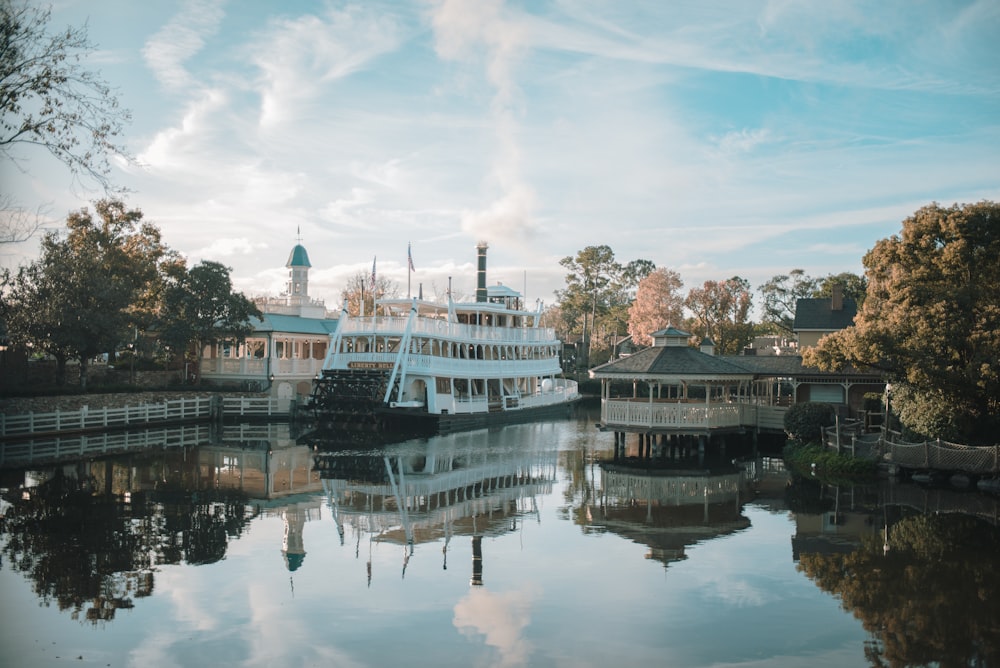
The large ferryboats move between the Ticket and Transportation Center and the Magic Kingdom. While they offer a scenic view, they have been a huge detriment to our Disney World experience.

  • The Sound Trigger: These boats utilize extremely loud, startling horns as a safety measure every time they depart the dock. For a child with sound sensitivities, being stuck on a boat in the middle of the water when that horn blasts can be a terrifying experience with no way to escape the noise.
  • Our Recommendation: If your child is sensitive to sudden, loud noises, we highly recommend taking the Monorail or a bus instead. If the ferry is your only option, ensure your child has noise-canceling headphones firmly in place before boarding.

The Skyliner: A Sensory Win with Logistics to Consider

The Disney Skyliner takes you from EPCOT and Hollywood Studios to resorts like Art of Animation, Pop Century, Caribbean Beach, and Riviera. It is a smooth, engaging ride that many children find grounding due to the constant breeze through the vents.

  • Double Stroller Logistics: Whether you can roll a double stroller on depends on its design. Tandem strollers (where one seat is in front of the other) can usually be pushed directly onto the gondola. However, side-by-side double strollers must be folded before boarding.
  • Measurements to Know: The gondola door opening is 30 inches wide. Our side-by-side stroller was 29.75 inches, and while it technically fit, cast members eventually required us to fold it to prevent boarding delays.
  • Capacity and Privacy: A gondola typically accommodates ten guests, but if you have a stroller, the capacity is reduced to six. In 2026, be prepared to share your gondola with another family during peak times.

The Monorail: Accessibility and Icons

The Monorail provides direct access to the Magic Kingdom and EPCOT. It is the gold standard for stroller accessibility because you can push almost any stroller directly onto the train without waking a sleeping child.

  • The Experience: There are benches on either side of the open area where strollers or mobility devices can be placed. While generally smooth, be aware that the “Please stand clear of the doors” announcement can be repetitive and loud.
  • Pro-Tip: If the Monorail is extremely crowded at the end of the night, you may be asked to fold your stroller to accommodate more people. If this is a deal-breaker for your child, it is often better to wait 20 minutes for the crowds to thin.

Disney Buses: Timing and Transitions

Buses are the most common transportation method, but can be the most difficult for children who thrive on a strict routine.

  • The Challenge: Waiting in long, hot lines at the end of the day often leads to intense emotions. Additionally, you are required to fold all strollers on the bus unless you have a specific medical tag.
  • The Solution: Use the My Disney Experience app to track the next bus ETA. This allows you to wait in a shaded area or a resort lobby until the last possible minute, reducing the time spent standing in a crowded queue.
Tips for families with autism at Walt Disney World above Cinderella castle with fireworks.

FAQ: Walt Disney World with Autism

Can my autistic family member get a wheelchair or stroller in Walt Disney World?

You are welcome to bring strollers or wheelchairs for your autistic family members. Local places will drop them off at the hotel, so you don’t need to travel with them.  Disney has strollers and wheelchairs available in the park, but they cannot be taken outside the park’s gates.

The “Stroller as a Wheelchair” Tag

One of the most powerful tools in our park bag isn’t an item at all—it’s the “Stroller as a Wheelchair” tag. You can request this at Guest Relations, and for us, it is a game-changer. It essentially turns your stroller into a mobile “safe bubble.” Instead of having to navigate the bumping and close proximity of a standard line, your child can stay tucked away in their familiar space right up until it’s time to board.

When you get to the front of the line, the Cast Members are wonderful about helping you transition; they’ll either guide you to a spot right at the boarding area or help you roll it toward the vehicle. A quick tip for 2026: once you have that red tag in hand, ask them to link it to your MagicBand or the app. Attractions like TRON and Guardians are very automated now, and having that digital link makes the “tap-in” process much smoother. Just a heads-up to avoid a bus-stop crisis: unless your stroller is a designated medical device, you’ll still need to fold it for the bus rides, so it’s good to prep your little one for that quick transition before the doors open!

Can my child, who is picky or has a special dietary requirement, eat at Disney?

Special diets and sensory-based eating habits touch many more families than just those navigating autism. Whether your child is an extremely “selective eater” due to sensory processing or has a strict medical necessity, Disney World is the gold standard for accommodations.

We personally follow a gluten-free diet, but we have seen Disney excel at managing everything from top-8 allergies to specialized diets like vegan, vegetarian, or keto.

Sensory Pickiness & Safe Foods

If your child relies on specific “safe foods” (such as a certain type of chicken nuggets or a particular texture of pasta), don’t hesitate to ask. Chefs at Table Service restaurants will often come to your table to discuss how they can modify a meal to meet your child’s sensory needs.

Navigating Allergies and Celiac Disease

For those navigating more than just pickiness, we have a deep-dive resource dedicated to the logistics of dining. Our comprehensive guide provides guidance on how to eat gluten-free and stay safe while visiting Walt Disney World.

What if my child needs assistance toileting at Walt Disney World?

There are family restrooms at Walt Disney World that are specifically designed for children who may require assistance with toileting. There are also changing tables, although some are not large enough for adults.

Companion Restrooms: More Than Just a “Potty”

Don’t overlook the importance of Companion Restrooms. These are single-stall, gender-neutral spaces that are vital for neurodivergent guests.

  • The Sensory Win: Many companion restrooms use manual flushes. If your child is sensitive to the loud “boom” of automatic toilets, these are a must-use.
  • The Space to Regulate: These rooms offer a private “reset” space if your child is becoming overstimulated, but you aren’t ready to head back to the hotel.
  • 2026 Gold Standard: The CommuniCore Hall in EPCOT (World Celebration) now features a state-of-the-art companion restroom that includes a dedicated adult changing table, making it the most accessible restroom in the park.

What is helpful for children with autism when waiting in line with autism?


While the DAS will decrease the time spent waiting in line, you may still experience a wait. We like to come prepared with sensory toys. or chewelry.

How can I support my autistic child while shopping in Walt Disney World?

Shopping at Disney can be intense, which is why I often ask why the ‘helpers’ are hiding when the sensory environment gets too loud. By providing a structured routine, minimizing distractions, and creating an escape plan, you can help your child have a great shopping experience (or at least one that meets expectations). Supporting our children’s unique needs is crucial for everyone to learn about.

Final Thoughts about Autism and Disney World

Disney World and autism can coexist, but the key to creating wonderful memories is flexibility. While our son loves the routine of the parks, the heat and noise can lead to overstimulation.

This guide shares our family’s real-world experience navigating those harder days. Even when the schedule goes out the window, you can still have a relaxing, enjoyable vacation by prioritizing your child’s needs over a checklist.

If you found this article helpful, share it with a friend or take our Choose Your Adventureto find your family’s next perfect sensory-friendly destination. Join our community for more autism-friendly resources and family travel tips. Let’s build a more inclusive world—one child, one family at a time on Facebook, Instagram, and TikTok for more autism-friendly parenting tips.

If you found this article helpful, share it with a friend or take our Choose Your Adventureto find your family’s next perfect sensory-friendly destination. Join our community for more autism-friendly resources and family travel tips. Let’s build a more inclusive world—one child, one family at a time on Facebook, Instagram, and TikTok for more autism-friendly parenting tips.

Similar Posts

Leave a Reply

Your email address will not be published. Required fields are marked *